

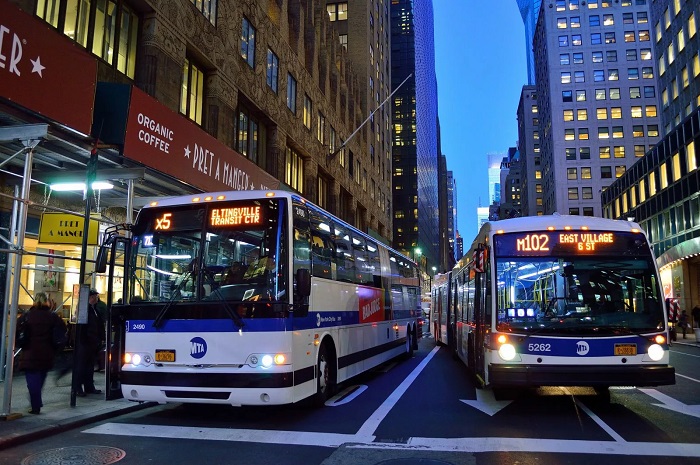
New York City’s accessible transportation system is entering an important period of change. Growing demand for paratransit, major infrastructure investments, and new transportation technologies are expected to influence how residents with disabilities travel in 2027.
Government financial projections already point toward a substantial increase in demand for ADA paratransit services. Meanwhile, the Metropolitan Transportation Authority (MTA) and New York City Department of Transportation (NYC DOT) are planning improvements to buses, subway stations, and passenger accessibility.
What will accessible transportation look like in New York in 2027? Here are the most important developments to watch.
1. Access-A-Ride Demand Is Projected to Increase
Access-A-Ride is New York City’s complementary ADA paratransit program for eligible passengers who cannot independently use conventional public transportation because of disability-related limitations.
Demand for this service is expected to remain strong.
According to the MTA’s July Financial Plan for 2026–2029, the agency projected approximately 14.14 million ADA paratransit trips in 2027.
The same financial plan estimated 12.85 million trips for 2026, representing projected growth of approximately 10% in 2027.
These figures are planning estimates rather than final ridership results.
If demand follows this trajectory, transportation coordinators will face increasing pressure to maintain service reliability while managing larger trip volumes.
2. More Subway Stations Could Become Accessible
New York’s subway accessibility program is another major development expected to shape transportation in 2027.
The MTA’s 2025–2029 Capital Plan includes a commitment to make at least 60 additional subway stations accessible through elevators or ramps.
The improvements are part of a multiyear investment program rather than a promise that all 60 stations will be completed during 2027.
As new accessible stations open, passengers with disabilities may gain additional transportation options.
However, ADA paratransit will remain necessary for individuals whose disabilities prevent them from using fixed-route transit independently.
3. Bus Stops Will Become More Accessible
New York City is also planning improvements to bus stop infrastructure.
Under the bus modernization initiative announced in July 2026, the city aims to increase accessibility upgrades over the coming years.
The broader plan includes a target of 65 upgraded stops annually by 2030, additional shelters, and expanded seating.
These investments could improve the experience of passengers using wheelchairs, walkers, and other mobility devices.
For 2027, the key issue will be how quickly accessibility improvements progress and whether they reach neighborhoods with significant transportation barriers.
4. Technology Will Play a Greater Role in Transportation Management
Digital technology is expected to become increasingly important for ADA paratransit and non-emergency medical transportation (NEMT).
Transportation operators already use GPS tracking, digital dispatch platforms, automated scheduling, and electronic trip records.
In 2027, further adoption of these technologies could help organizations improve operational visibility and respond more effectively to service disruptions.
Potential developments include more accurate vehicle arrival information, improved route coordination, and easier communication between passengers and transportation providers.
Artificial intelligence may also become more useful for forecasting demand and identifying scheduling conflicts.
However, these applications remain opportunities rather than guaranteed improvements.
5. Transportation Costs Will Remain a Challenge
Growing ridership also creates financial pressure.
New York City’s Independent Budget Office has highlighted rising paratransit expenditures.
Earlier MTA projections indicated that total paratransit costs could increase from approximately $990 million in 2026 to $1.15 billion in 2029.
These figures suggest that controlling transportation costs while maintaining accessibility and reliability will remain an important policy challenge.
In 2027, government agencies and transportation contractors may place greater emphasis on efficient dispatching, accurate trip documentation, and service performance monitoring.
6. NEMT Providers May Face Growing Demand for Specialized Services
Non-emergency medical transportation is closely connected to accessible mobility, although it operates under different program rules from ADA paratransit.
NEMT helps eligible patients reach healthcare appointments, rehabilitation facilities, outpatient procedures, and recurring treatments.
In 2027, several factors could influence demand for specialized medical transportation:
- An aging population requiring assistance with mobility.
- Continued use of outpatient healthcare services.
- Transportation needs associated with recurring treatments.
- Demand for wheelchair-accessible vehicles.
- Greater interest in coordinated transportation through health plans and healthcare organizations.
These are potential demand drivers, not a quantified government forecast of NEMT trips in New York.
Transportation providers may need to balance vehicle accessibility, driver qualifications, service coverage, and operational efficiency.
7. Reliability Could Become an Even More Important Performance Measure
As transportation systems handle more passengers, reliability will remain a central concern.
For people with disabilities, a delayed pickup can disrupt employment, medical care, or essential personal activities.
In 2027, transportation programs may increasingly focus on measurable performance indicators such as pickup punctuality, completed trips, customer complaints, and vehicle availability.
Technology can support monitoring, but service quality will continue to depend on trained personnel, suitable vehicles, and effective operational procedures.
Frequently Asked Questions
How many Access-A-Ride trips are expected in 2027?
The MTA’s July Financial Plan projected approximately 14.14 million ADA paratransit trips for 2027. Actual ridership may differ.
Will NYC public transportation become more accessible in 2027?
Accessibility improvements are planned as part of ongoing MTA and NYC DOT programs. These include subway station upgrades, bus stop improvements, and new transportation infrastructure.
Will NEMT demand increase in 2027?
Demand may increase because of demographic changes, outpatient healthcare needs, and accessibility requirements. However, a specific verified 2027 NEMT ridership forecast for New York is not established by the cited government plans.
Is Access-A-Ride the same as NEMT?
No. Access-A-Ride is an ADA complementary paratransit service supporting eligible passengers with everyday transportation. NEMT focuses on non-emergency healthcare-related journeys.
How will technology change accessible transportation?
Digital scheduling, GPS tracking, improved dispatch systems, and data analysis may help transportation organizations manage growing demand and improve operational coordination.
Outlook for 2027
The outlook for accessible transportation in New York City points toward higher paratransit demand, continued infrastructure investment, and growing attention to transportation efficiency.
The MTA’s projected 14.14 million ADA paratransit trips in 2027 illustrate the scale of the challenge.
At the same time, subway accessibility projects, bus stop improvements, and transportation technology create opportunities to make mobility more convenient and inclusive.
The most successful transportation programs will be those that combine accessibility, operational reliability, and effective resource management.
For New Yorkers with disabilities and mobility limitations, 2027 could represent another important step toward a more connected and accessible city.