

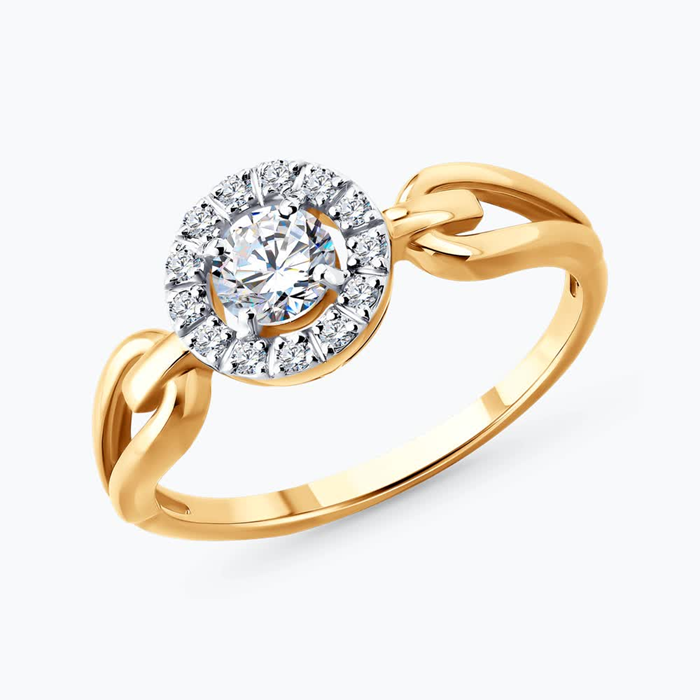
Selling jewelry requires preparation: it is important to determine the metal composition, the presence and characteristics of any gemstones, the fineness (purity), the weight, and the item’s condition.
You should also gather any relevant documentation, such as receipts, certificates, and previous appraisals. Before listing the item, compare prices for similar pieces, take clear photos in daylight, and decide in advance which details need to be honestly disclosed in the description to avoid disputes and returns.
When choosing a platform https://luxebrokersgroup.com/sell/jewelry/, evaluate commission rates, payment and delivery methods, authenticity verification policies, and transaction security. If you plan to sell jewelry online, consider the service’s reputation, data protection measures, and customer support availability, and clarify the process for handing over the item and the timeframe for receiving payment.
Pre-sale assessment: fineness, hallmarks, gemstones, and weight
Before selling a piece of jewelry, it is important to understand exactly what determines its value: it is not just about the “number of grams of gold,” but also the verified fineness, the presence of legible hallmarks, the characteristics of any gemstones, and the actual weight of the piece, independent of subjective opinions. The better you understand these parameters beforehand, the lower the risk of receiving an undervalued offer or facing buyer skepticism.
The assessment begins with a visual inspection and the recording of key details: the metal and estimated fineness, the condition of the surface and clasps, the presence and condition of any gemstones, and the weight.
It is helpful to distinguish immediately between “facts” (hallmarks, scale readings) and assumptions (e.g., “the stone looks like a diamond”) in order to conduct negotiations calmly and based on evidence.
Fineness marks and hallmarks: what is checked first
The fineness mark indicates the precious metal content of the alloy and directly affects the calculation of the metal’s value. One typically looks for the official state hallmark and the manufacturer’s mark (or other markings) on the item, assessing their legibility, integrity, and appropriateness for the type of jewelry. A worn or partially missing hallmark does not always indicate a fake, but it often prompts further inspection.
Before a transaction, it is worth noting the existence of items with import markings, mixed-material jewelry (e.g., different parts made of different alloys), and repair solder, which may differ in color and composition. If in doubt, it makes sense to have a specialist examine the item beforehand; this helps avoid situations where the assessed fineness turns out to be lower than expected during the actual intake process.
- Fineness mark – confirms the proportion of precious metal and affects the price per gram.
- Hallmarks/manufacturer’s marks – increase confidence in the item’s origin and facilitate identification.
- Condition of markings – affects the speed and confidence of the valuation during the transaction.
Gemstones and weight: how they affect the final price
Gemstones are evaluated separately from the metal; key factors include the type of stone, its size/weight, clarity, color, the presence of chips, and the quality of the setting. Even minor defects (cracks, a loose stone, or worn facets) can significantly lower the price, as the buyer must factor in repair costs or the risk of losing the stone. If you have documentation for the stones (tags, certificates, receipts), it is worth having it ready, as this makes it easier to verify their specifications.
Weight is a key parameter, but it is important to understand that weighing the item yields its total weight, including any stone settings and non-precious components. Therefore, professional appraisals often factor in the estimated weight of the stones and other parts to more accurately calculate the metal content. For precision, it is best to weigh the jewelry on a jeweler’s scale and record the result; if the piece features large stones, clarify exactly how the calculation will be handled during the sale.
- Weigh the item and record the exact weight.
- Describe the stone settings: quantity, visual condition, and the presence of chips, looseness, or scuffing.
- Clarify the calculation method: will the weight of the stones and non-precious elements be deducted when determining the metal weight?